B1-46 / CEFR B1 / EPISODE 46

Reunion After Years

Expressing feelings at a reunion

SceneOutside a café, Tina runs into her close friend Lena. They haven't seen each other in two years.
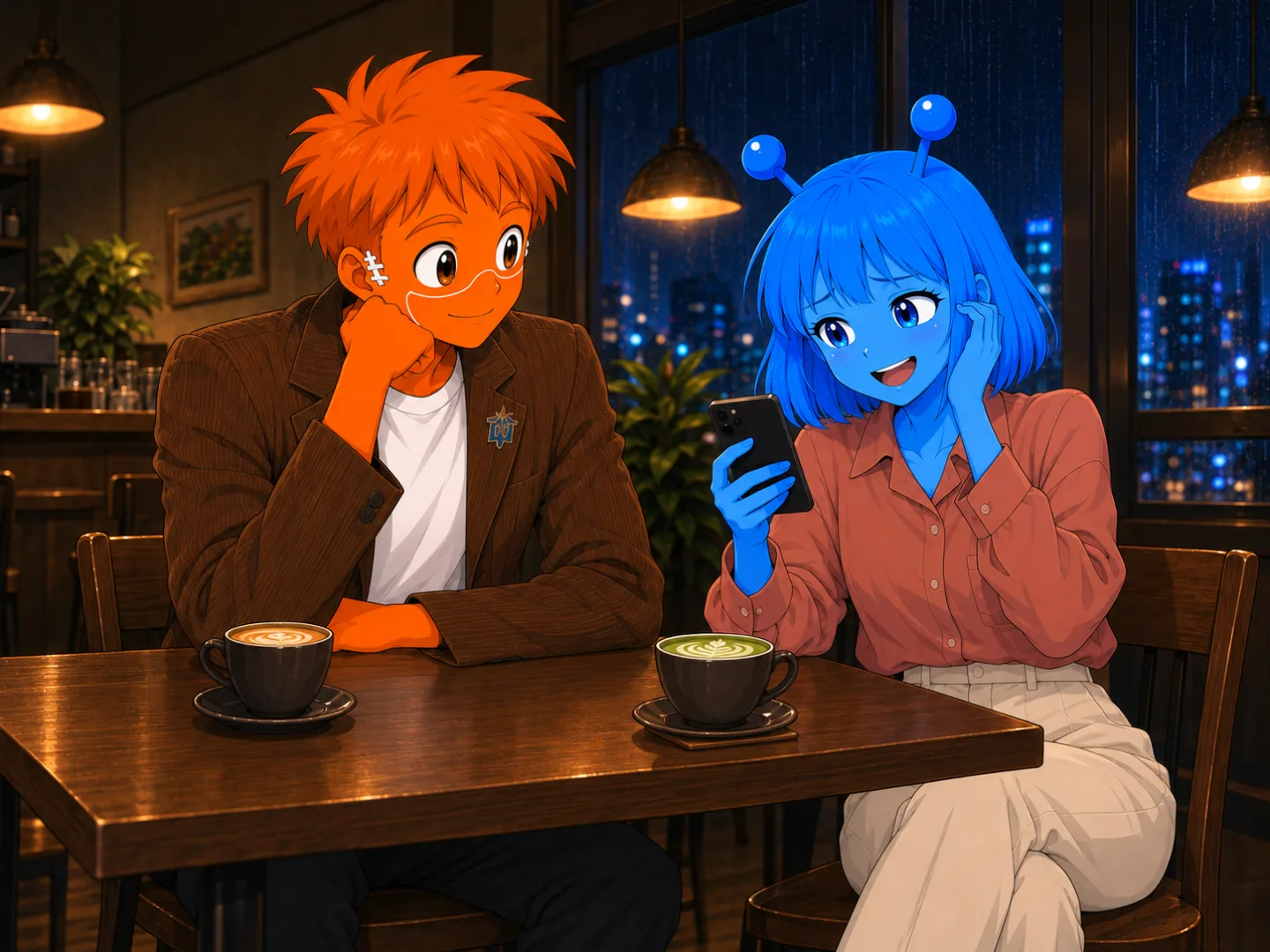
Tina talking to a friend she has met again in a cafe.
Select the illustration to view it at full size in a new tab.

STORY English with optional Japanese translations

Narrator

Outside a café, Tina runs into her close friend Lena. They haven't seen each other in two years.

カフェの前で、ティナは親友のレナにばったり会う。二人が会うのは二年ぶりだ。

Lena01

Tina? Oh my gosh, it's been forever!

ティナ?うそ、本当に久しぶり!

Tina02

Two years! You look great. How's married life?

二年ぶりね!元気そう。結婚生活はどう?

Lena03

Busy, but good. We got a dog.

忙しいけど、いい感じ。犬を飼い始めたの。

Tina04

Lena, I'm sorry I missed your wedding. I chose work. I've regretted it ever since.

レナ、結婚式に行けなくて、ごめんなさい。仕事を選んだの。それからずっと後悔してた。

Lena05

I was hurt. But I missed you. Look — our old photo.

あのときは傷ついた。でも、会いたかった。見て——私たちの昔の写真。

Tina06

I missed you too. Oh no — my terrible bangs!

私も会いたかった。うわ——私のひどい前髪!

Lena07

You cut them yourself, remember?

自分で切ったのよね、覚えてる?

Tina08

Don't remind me. Please delete it!

思い出させないで。お願い、消して!

Lena09

Come for dinner next month. Meet the dog.

来月、うちに夕食に来て。犬に会ってよ。

Tina10

I'd love that. Okay, I should let you go. So good to see you.

ぜひ。じゃあ、そろそろ行くね。会えて本当にうれしかった。

Lena11

You too! Wait — how's your tall friend?

私も!待って——あの背の高い友達は元気?

Tina12

Still tall. Still serious. Okay, now I'm really going. Bye!

相変わらず背が高くて、相変わらず真面目。じゃあ、今度こそ本当に行くね。バイバイ!

Lena13

Text me when you get home! Oh — I just posted that photo. That's for missing my wedding.

家に着いたらメッセージしてね!あ——あの写真、今投稿しといた。結婚式に来なかった仕返しよ。

WORDS & CONTEXT

Words & context

“It's been forever!”

It's been forever! is a familiar greeting after a long absence, whether months or years. It's been ages! has the same meaning.

“Oh no — my terrible bangs!”

Bangs is American English for the hair across the forehead; British English uses fringe. This meaning uses the plural form. Tina refers to the hair she cut herself in an old photo.

“Don't remind me.”

Don't remind me. playfully asks someone not to bring up an embarrassing failure or unwanted memory. It usually conveys embarrassment rather than real anger here.

“I should let you go.”

I should let you go. politely ends a conversation out of consideration for the other person's time. The joke is that Tina says it, continues talking, and has to say goodbye again.